

Hey {{first_name|Conscious Church Fam}} 👋
Big week. AI moved into the office, the White House put a leash on GPT-5.6, and doctors used AI to finally unlock answers for 18 children with rare diseases no specialist could solve.
Here's what we're covering:
🤖 Claude Tag — Anthropic's AI just joined your Slack as a full-on teammate
🚫 White House vs. GPT-5.6 — The government puts guardrails on OpenAI's next frontier model
🧬 AI Cracks Rare Diseases — o3 just solved 18 cases that the world's best specialists couldn't
Let's dive in 👇
✍️ Josh's Musings
Quick one this week. We’re just back from a church camp in Wales, got in late tonight, and I’m shattered.
It was a big one. Loads of people, lots of them well outside their normal routines. Some had never even been away before. And there’s something about that. You take people out of the ordinary, stick them in a field with nothing else pulling at them, and it becomes a kind of greenhouse. People show up hungry for God, and God shows up back. He did this weekend. Properly.
We got to hear Jo & Dan Hargreaves from Lincoln do a couple of cracking talks on neuroscience and faith. Kids had a ball too.
That’s your lot this week. I need sleep, and I need a head start on the to-do list before the week swallows me.
Here’s the rest of the news.
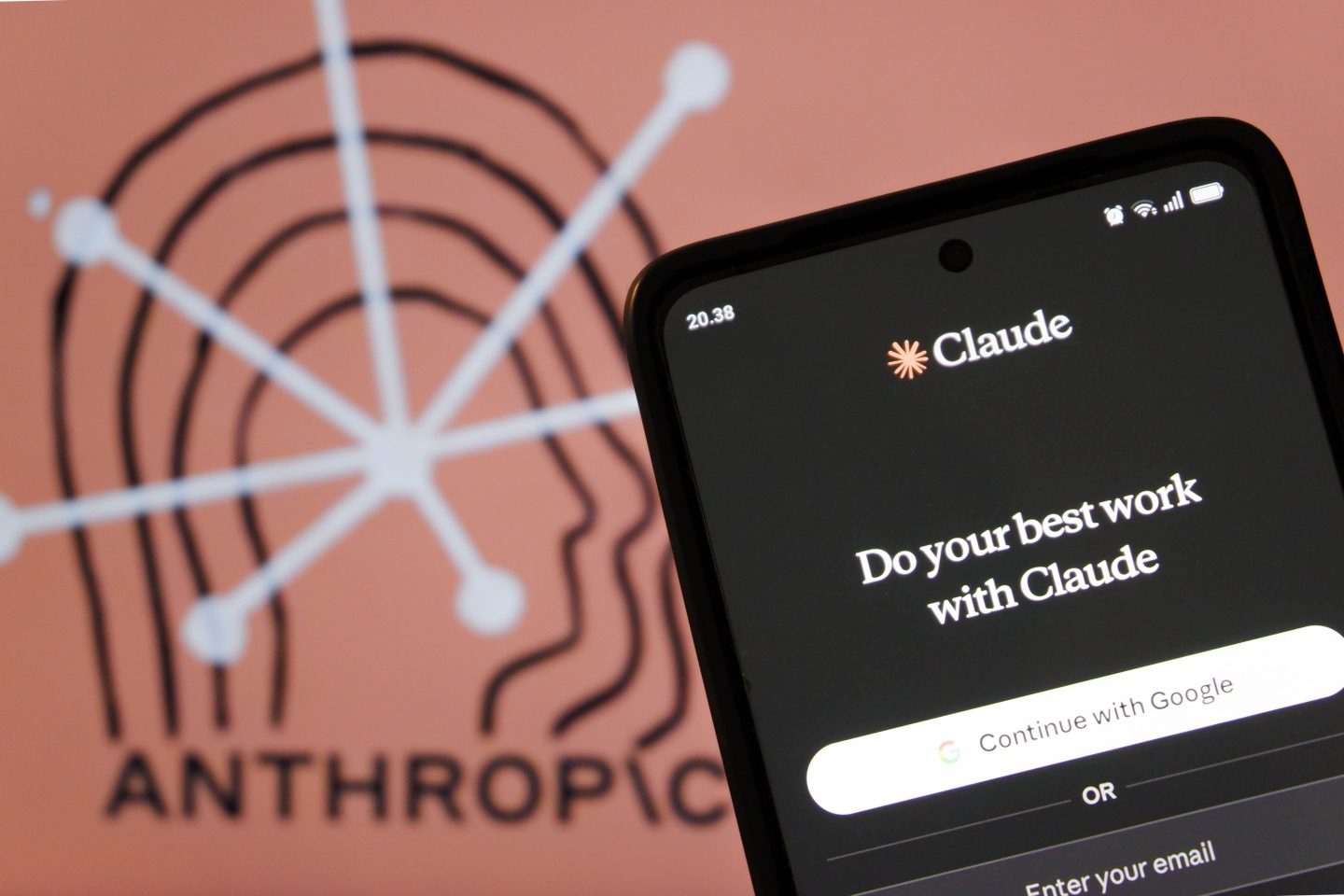
Image: Fortune / Getty Images | The Conscious Church
Your Slack workspace just got a new permanent resident. Anthropic launched Claude Tag this week — a way to bring Claude into your team's channels by simply @-tagging it like any other coworker. It doesn't just answer questions; it picks up tasks, breaks them into stages, works through them in the background, and reports back when it's done. Anthropic's own product team already has it approving 65% of their code changes.
The Details:
Tag @Claude in any channel with a task and it breaks it into stages, works independently, then reports back
It builds memory over time — learning your team's projects, tone, and preferences without you having to repeat yourself
An "ambient mode" lets it proactively flag things it thinks you should know about across channels
Admins can tightly scope each Claude's access — HR's Claude stays separate from Engineering's
The existing Slack connector retires August 3rd; Enterprise and Teams customers get access now
Conscious Take:
There's something almost eerie about inviting an AI to sit in all your team's conversations, it knows your projects, your tone, even which channels go quiet. But there's also something genuinely exciting about having a coworker who never gets territorial and just gets things done. The question isn't whether to use it…it's how to stay the one steering it.

Image: TechCrunch / Getty Images | The Conscious Church
OpenAI's next major model was supposed to be dropping soon. Now it isn't — at least not in the way most people expected. The Trump administration asked OpenAI to limit GPT-5.6's release to a select group of government-approved partners first, citing security concerns. The model is reportedly on par with Anthropic's Mythos in capability, which apparently means it gets the same careful handling before going public.
The Details:
GPT-5.6 will first preview to a small partner group, with the government approving access "customer by customer"
Requested by the Office of the National Cyber Director and the Office of Science and Technology Policy
CEO Sam Altman told employees the government wants to test safeguards before wider launch
He expects a public release "a couple of weeks later" if the limited rollout goes smoothly
This is the first time the U.S. has preemptively restricted an American AI company's model launch
Conscious Take:
For years, AI labs moved fast and asked permission later. That era might be ending. The U.S. government approving access to frontier models "customer by customer" is either a sensible safety net or a slippery slope toward control, probably both. Worth watching closely, because whoever controls access to these models holds a lot of power.
Image: CLPMag | The Conscious Church
There are 376 families whose kids have rare genetic diseases — and who'd been told by specialists that there were no answers. This week, OpenAI published results showing that its o3 model, used in a research workflow by Boston Children's Hospital and Harvard, helped crack 18 of those cases. Not by replacing doctors — but by doing what AI does best: connecting dots across mountains of data faster than any human possibly could.
The Details:
376 previously unsolved paediatric genetic cases were run through o3 Deep Research
18 new diagnoses were confirmed after the AI surfaced leads that specialists then verified
The highest hit rate was in early-onset psychosis: 13.3% of those cases got answers
In 7 of the 18 cases, the diagnosis already existed somewhere — it just never reached the patient's local records
The study was published in NEJM AI on June 18, 2026
Conscious Take:
This is the kind of AI story that actually matters. Not faster marketing copy or better chatbots, but a family finally getting an answer after years of "we don't know." These 18 diagnoses represent 18 kids whose lives might now look different. That's worth celebrating, even while we ask hard questions about everything else AI is doing.
📬 One quick ask...
If this email has been helpful, would you forward it to one person this week who might be interested?
Could be a friend in ministry, a creative who's curious about AI, someone trying to figure out how to build with Kingdom purpose.
I'd love to see this grow and reach more people. And honestly, personal recommendations mean way more than any algorithm.
Thanks for reading. Really.
"Whatever you do, work at it with all your heart, as working for the Lord, not for human masters." — Colossians 3:23
Build with the tools. But build for the right reasons.
That's all for now
Stay conscious,
Josh
P.S. If you liked this then please forward it on to someone you think would enjoy it. And if someone forwarded you this and you liked it, you can sign up here.
